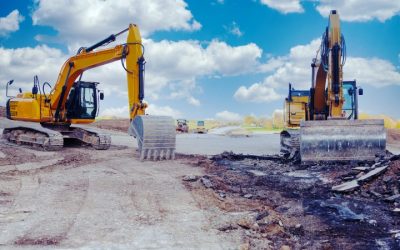
The first clear view of an overgrown property can change how an owner thinks about it. What looked like a wall of vegetation may actually contain a workable building area, a natural access route, or several distinct zones. In Macon, clearing can help owners regain that visibility. The most effective projects begin by identifying the next use of the land and then working backward to determine what should be removed, retained, or handled separately.
When people search for land clearing in Macon, GA, they are often trying to decide how much work is actually necessary. The answer depends on the property and the goal. A future homesite does not necessarily require every wooded edge to disappear, and a recreational parcel may benefit from defined trails and open pockets rather than complete clearing. A clear scope prevents the project from becoming larger than the purpose requires.
The physical site should guide the plan. Consider access points, driveway width, gates, slopes, soft areas, overhead clearance, fences, structures, and drainage. Heavy equipment needs a workable route to the clearing area. If the route is planned in advance, the crew can focus effort where it matters and avoid unnecessary travel across areas the owner wants to protect.
Vegetation should be evaluated as a mix of conditions rather than one uniform layer. Brush, vines, saplings, larger trees, and fallen timber may each require different handling. A professional can help determine the practical sequence and identify any trees or landscape features that should remain. This is particularly useful when the owner wants an open area surrounded by retained woods.
Once growth is removed, the property can be evaluated more realistically. Uneven ground and drainage patterns may become visible, and access between different portions of the parcel can be easier to understand. If future construction or site work is planned, this clearer view can help other professionals assess the land. Clearing itself does not substitute for surveying or engineering, but it can create a much better starting point for those conversations.
There is also a practical advantage to planning debris handling at the same time. Processing vegetation on site can reduce loose piles and make the property easier to navigate. However, not all material will necessarily be handled the same way. Owners should ask what the clearing scope includes and whether additional hauling or site preparation is needed so expectations are clear from the beginning.
Preservation decisions can shape the character of the finished property. Keeping selected mature trees may provide shade, visual separation, or a more natural transition between open and wooded areas. Marking those areas before work begins gives the crew clear boundaries. A selective plan can be especially valuable when the property is being prepared for a home, access route, or recreational use rather than total redevelopment.
A clearing project is most useful when it makes the next stage easier. Vaquero Landworks can work with Macon property owners to consider the current condition of the parcel, the desired outcome, and the practical site constraints. The result should be a clearer, more manageable property with a sensible path toward whatever comes next.
Clear expectations at the beginning make the rest of the project easier to manage and easier to evaluate. Before work starts, write down the outcome that matters most, the areas that need attention, and any conditions that could change the sequence. That small amount of preparation can make later decisions simpler because everyone is working from the same understanding of the project.
The practical details matter because a good result should fit the property, process, or people involved rather than follow a generic formula. Take time to identify constraints early, especially where access, timing, information, or preservation is important. A realistic plan leaves room for normal changes while keeping the main objective clear.
A thoughtful plan also makes it easier to recognize which decisions need professional input and which can be handled during routine planning. That distinction saves time and keeps the project focused. When the important questions are identified early, conversations with a contractor, consultant, photographer, clinician, or service provider can be more specific and more useful.
Frequently Asked Questions
How should I prepare a property before clearing?
Identify areas to preserve, confirm access points, remove personal items from the work zone, and communicate the intended use of the cleared area.
Can clearing expose drainage problems?
It can make existing low areas and drainage patterns easier to see. Any drainage work should be evaluated separately based on the property’s conditions.
Do all wooded areas need to be cleared?
No. Selective clearing may be appropriate when the owner wants usable open areas while retaining selected trees or wooded sections.